
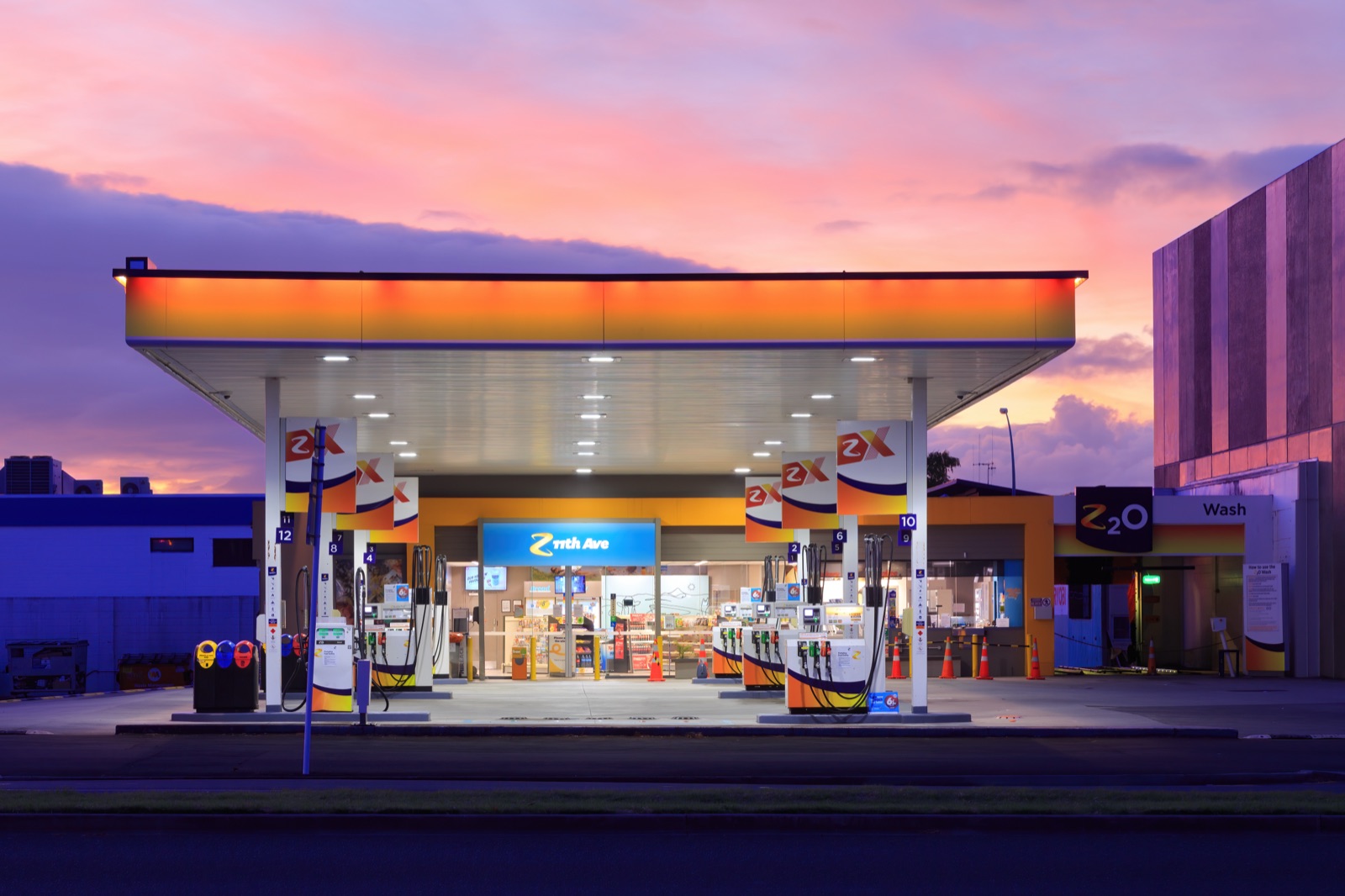
The Scottsdale C-store market
Scottsdale is part of Arizona, a state that falls outside the top tier for store density. By comparison, Texas runs about 16,500 C-stores and California about 12,140, while smaller markets carry far fewer sites. That scarcity makes well-located Scottsdale stations harder to source and often supports firmer pricing when a quality asset comes to market.
About 60% of US operators run a single store, so much of what trades here is independentsingle-store inventory rather than large chains. A busy urban station can move 100,000 to 150,000 gallons per month against a US average near 4,000 gallons per day. Volume, brand, and lease structure drive value far more than the dispenser count. See our best states to buy a C-store guide for context, and review current branded C-store listings.
Buying a C-store in Scottsdale
Buyers in Scottsdale split into two groups. Passive investors want net-leased assets with a credit tenant, priced on cap rate. Operators want a going concern they can run, priced on EBITDA. Going-concern stores typically trade at 4.0x to 7.0x EBITDAabout 8x when the real estate is included.
Financing shapes most deals. SBA 7(a) caps at 5M dollars and requires a 15% minimum equity injection since stations are special-purpose, with real estate terms up to 25 years and June 2026 rates roughly 9% to 11.5% APR variable. Conventional loans run 30% to 40% down and many banks avoid underground storage tanks due to CERCLA exposure. A Phase I ESA at 1,800 to 3,500 dollars is required for SBA fuel deals. Start with our buyer services, the valuation calculator, and the first station buyer guide.
Selling a C-store in Scottsdale
Selling well in Scottsdale starts with clean financials and a defensible value. Going-concern stores price at 4.0x to 7.0x EBITDA, business-only deals at 2.5x to 4.0x EBITDA, and assets with strong real estate near 8x. Fuel value is sometimes framed at 0.05 to 0.30 dollars per gallon of monthly throughput, which rewards high-volume sites.
Most sales run 3 to 6 months. Business broker commissions run 10% to 20% on business-only deals and about 6% to 10% when real estate is included. We position your C-store to the right buyer pool, whether that is a local operatora 1031 investor seeking net-leased income. Begin with our seller services, consider a sale-leaseback to separate operations from real estate, and read how to increase C-store value.
Values and cap rates in Arizona
Single-tenant net-leased fuel assets trade nationally near a 5.6% cap rate, roughly 5.58% with fuel income and about 6.87% without fuel. By state the spread runs from Florida near 5.11% at the tight end to weaker markets at 6.0% to 6.5%higher. Arizona pricing depends heavily on the specific site, brand, and lease.
Tenant credit sets the floor. Wawa trades at 4.83% to 5.20%, 7-Eleven at 5.00% to 5.40%, Murphy USA around 5.13%, and Circle K at 5.35% to 5.65%. A long absolute NNN lease with a strong operator compresses cap rate and lifts price. Run the math with our cap rate calculator, browse NNN C-store listings, and read what is a good cap rate. See all Arizona inventory at C-stores for sale in Arizona.