
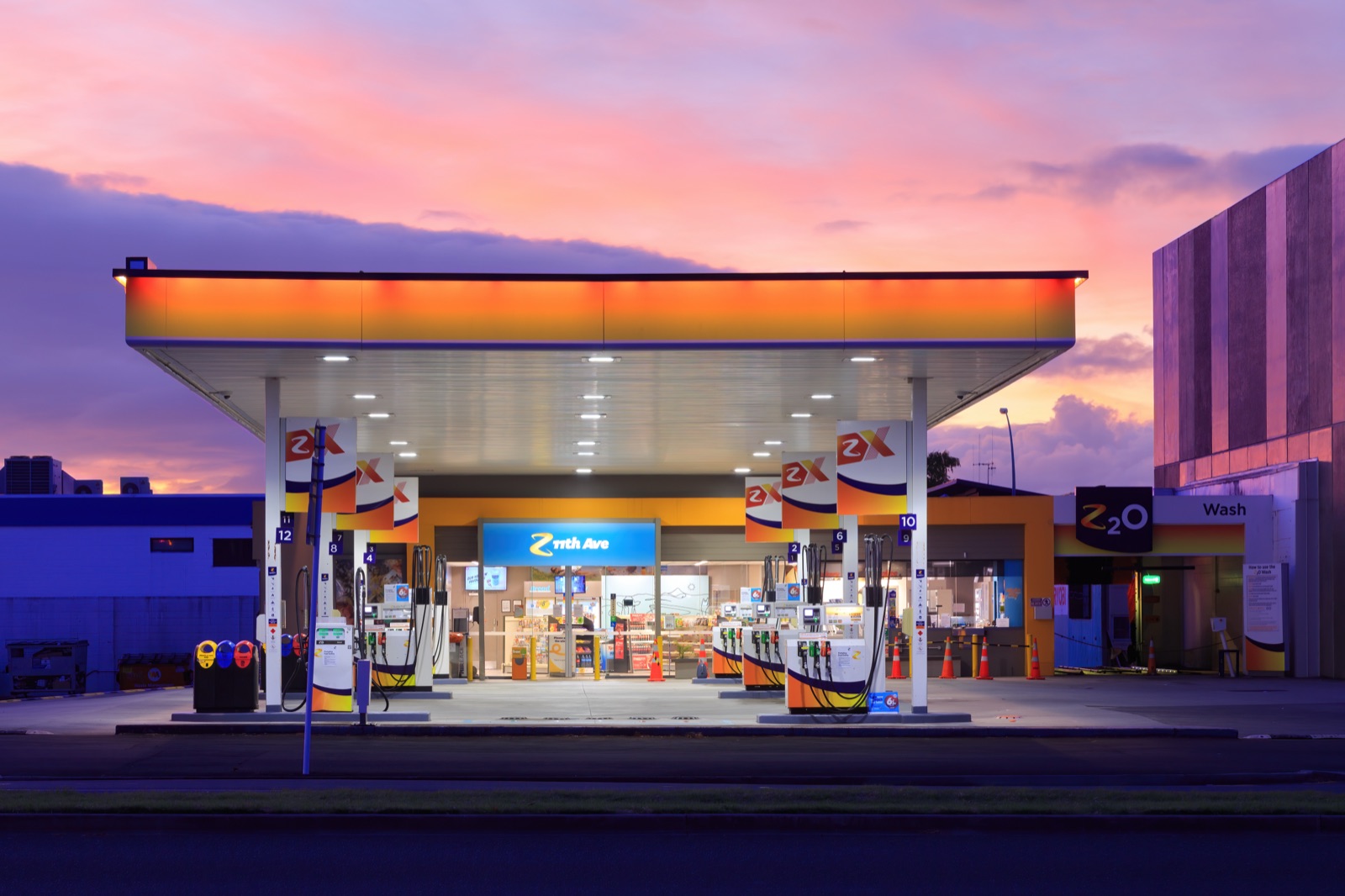
The San Jose C-store market
San Jose anchors the South Bay inside California's roughly 12,140 C-stores, the second largest count in the country behind Texas. The brand story statewide is Chevron, which holds 1,863 stations, about 26% of every Chevron in the U.S., alongside strong 76, Shell, Arco, and 7-Eleven networks well represented across the metro. Bay Area stations are among the highest-revenue sites in the nation, driven by elevated pump prices and heavy commuter traffic.
A busy urban San Jose station can move 100,000 to 150,000 gallons per month. Inside sales carry the profit. The C-store is about 30% of revenue but roughly 70% of profit, with in-store items at 20% to 40% margins, while net fuel profit is only a few cents per gallon. See our profit margins guide and the broader California market overview.
Buying a C-store in San Jose
San Jose acquisitions reward disciplined diligence. Special-purpose fuel sites under the SBA 7(a) program cap at 5 million dollars and require a 15% minimum equity injection, commonly 10% to 15% down, with real estate terms up to 25 years. As of June 2026, rates run roughly 9% to 11.5% APR variable, and SBA closings take 30 to 90 days. Conventional financing usually demands 30% to 40% down, and many banks avoid underground storage tanks because of CERCLA strict liability.
Every SBA fuel deal needs a Phase I ESA to ASTM E1527-21, costing 1,800 to 3,500 dollars, which is essential in California's tank-liability climate. Start with our due diligence checklist and financing options, then model price with the valuation calculator.
Selling a C-store in San Jose
San Jose's high land values and tight buyer competition make seller preparation pay off. Business-only stations typically trade at 2.5x to 4.0x EBITDA, combined fuel-and-store operations at 4.0x to 7.0x, and deals that include the real estate around 8x, reaching 7x to 9x in premium markets. With Bay Area pricing, a clean, well-documented site near the top of that range is realistic.
Business broker commissions run 10% to 20% on business-only deals and roughly 6% to 10% when real estate is included, with sale timelines of 3 to 6 months. We package financials, fuel volumes, and environmental records to support value. Review our value-building guide and broker fees explainedstart a confidential disposition.
Values and cap rates in California
California prices to the high end nationally. The U.S. average cap rate is about 5.6%, roughly 5.58% with fuel and 6.87% without, while weaker markets sit at 6.0% to 6.5%higher. Bay Area assets like San Jose stations trade tighter than those weaker markets given scarcity and traffic. Tenant credit drives pricing too: 7-Eleven trades around 5.00% to 5.40% and Circle K around 5.35% to 5.65%.
For investors using a sale to defer tax, a 1031 exchange allows 45 days to identify and 180 days to close, with absolute NNN leases of 15 to 20 years as ideal replacements. Run the numbers with our cap rate calculator and 1031 deadline calculatorbrowse NNN C-store listings.