
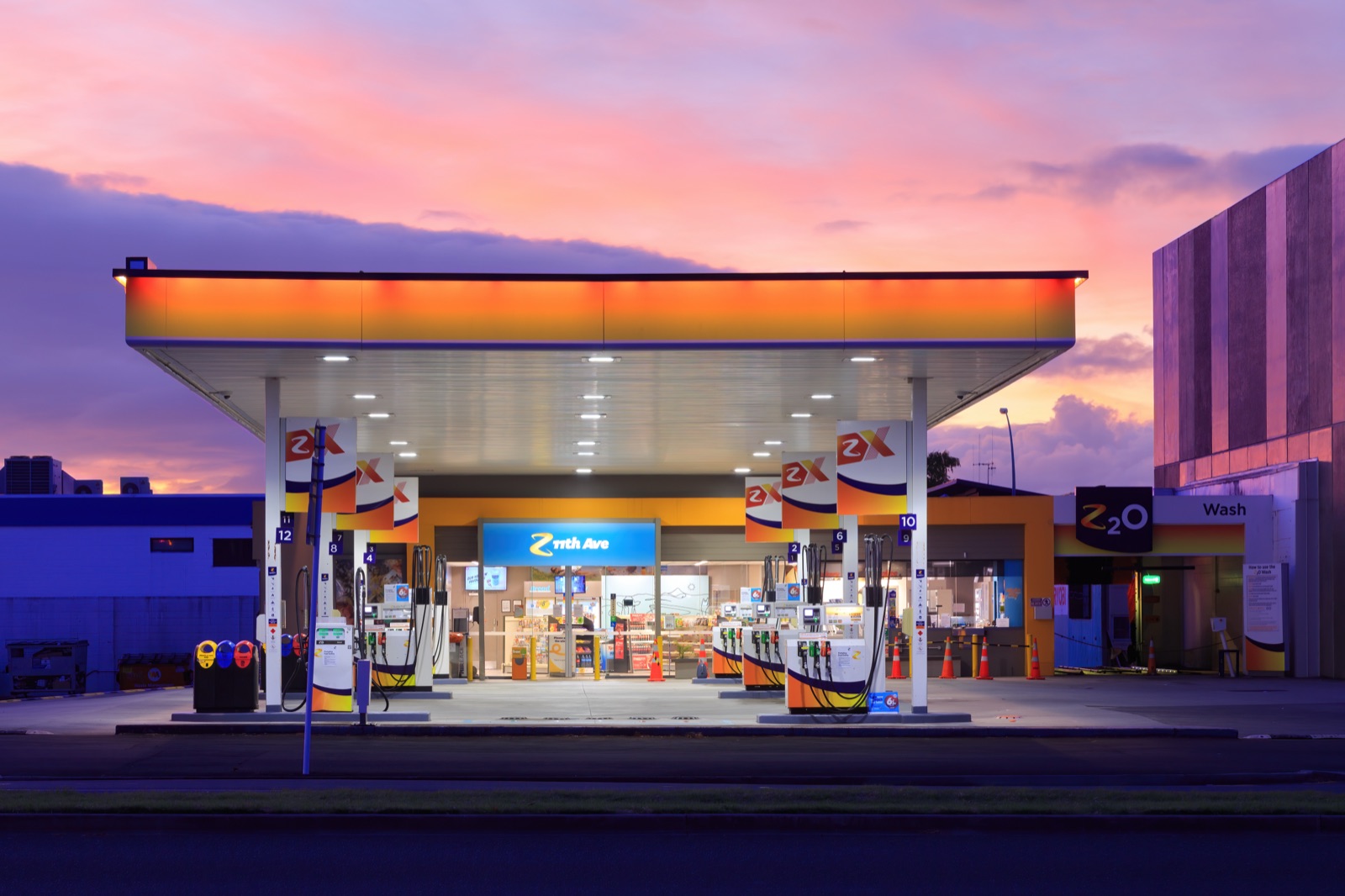
The Naperville C-store market
Naperville is one of the strongest suburban retail trade areas in Illinois, and its C-stores benefit from high traffic, dense rooftops, and above-average household incomes. Statewide, Illinois has about 4,710 C-stores, and roughly 60% of US operators run a single store, so most Naperville sites are independently owned. A busy urbansuburban station can move 100,000 to 150,000 gallons per month, well above the US average of about 4,000 gallons per day.
Profit here is driven by the inside. The C-store is about 30% of revenue but around 70% of profit, with in-store items carrying 20% to 40% margins. A small-to-medium owner often nets about 70K to 100K dollars per year, rising to 100K to 500K by site. See how much C-store owners make and C-stores for sale in Illinois.
Buying a C-store in Naperville
Most Naperville acquisitions are financed with SBAconventional debt. SBA 7(a) tops out at 5 million dollars and requires a 15% minimum equity injection on special-purpose fuel deals, meaning 10% to 15% down, with real estate terms up to 25 years. June 2026 rates run about 9% to 11.5% APR variable, and closings take 30 to 90 days. Conventional financing usually wants 30% to 40% down, and many banks avoid underground storage tanks due to CERCLA liability, so closings run 30 to 60 days.
Every fuel deal needs environmental review. A Phase I ESA costs 1,800 to 3,500 dollars under ASTM E1527-21 and is required on SBA fuel deals. Start with our buyer representation, the valuation calculator, and the SBA 7(a) loan guide.
Selling a C-store in Naperville
Naperville sellers benefit from a deep buyer pool of owner-operators and investors, but pricing and packaging determine the outcome. Sale timelines run 3 to 6 months, and business broker commissions are typically 10% to 20% on business-only deals and about 6% to 10% on real-estate-inclusive sales. Clean financials, fuel supply terms, and tank records all move the number.
We position each asset on the metric that gets the highest price, whether that is an EBITDA multiple, a cap ratea sale-leaseback structure that separates the real estate. Owners planning an exit1031 should review the seller process, the sale-leaseback option, and our guide to increasing C-store value before going to market. For local context, see Illinois listings.
Values and cap rates in Illinois
Pricing depends on what is being sold. Business-only deals trade at 2.5x to 4.0x EBITDA, with SDE multiples of 2.0x to 3.5x on smaller stores. Combined fuel-and-store operations run 4.0x to 7.0x EBITDA, and deals that include the real estate sell near 8x EBITDA, reaching 7x to 9x in premium markets. Throughput-based pricing typically lands at 0.05 to 0.30 dollars per gallon of monthly volume.
On a cap rate basis, the national average is about 5.6%, roughly 5.58% with fuel and 6.87% without fuel, while weaker markets price at 6.0% to 6.5%higher. Branded NNN assets compress further, with 7-Eleven at 5.00% to 5.40% and Circle K at 5.35% to 5.65%. Run the numbers with our cap rate calculator and review what a good cap rate is.